Tara Gallucci’s Recovery Story
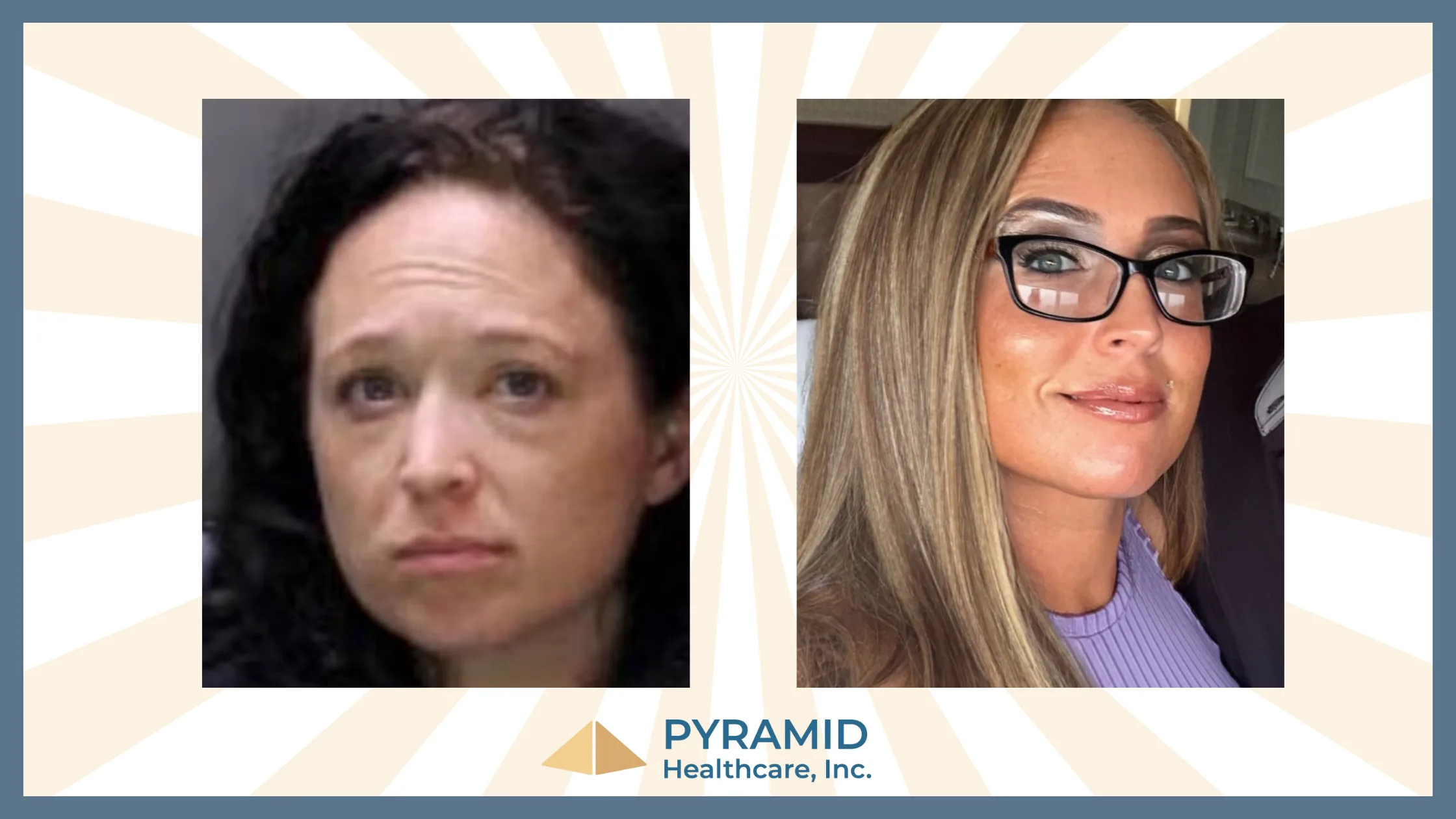
For National Recovery Month this September, Pyramid Healthcare is honored to share the stories of staff members who have walked their own recovery journeys and continue to support others as they overcome behavioral health challenges. In this interview, Tara Gallucci, Certified Recovery Specialist at Dallas Detox & Residential Treatment Center, reflects on her path from addiction and incarceration to hope, healing, and a career helping others reclaim their lives.
Tell us about your background and what led you to recovery.
Drugs and alcohol were part of my life from the very beginning. I grew up around what I call “motorcycle enthusiasts,” and that lifestyle was full of substance use. For a long time, I believed that because of where I came from, I was inherently bad—that there was no good in me.
As a result of that lifestyle, I went through a lot of trauma, including losing a partner who was killed right in front of me. After that, I immersed myself in drugs. I was using methamphetamine, selling meth to feed my habit and living recklessly. I didn’t want to live, but I didn’t want to kill myself either, so I just went wild.
Eventually, the police kicked in my door and arrested me. I’m unbelievably thankful that happened, because it saved my life. Prison gave me time to sit, heal and figure out who I was. I realized I felt freer in prison than I ever had in my old life, and that’s when I found recovery.
What made you want to pursue work in this field?
While incarcerated, I learned about becoming a Certified Recovery Specialist (CRS). It struck me that my past—no matter how bad—could be used for something good. I could relate to people in ways others might not, and I could build a career and a future out of my experiences.
When I got out, I moved to Scranton to be closer to my daughter. I started rebuilding my life from the ground up. I’d always worked as an auto mechanic, but I wanted to follow through with CRS training. I took classes every Saturday. It was tiring, but so worth it. After passing my test, I started working in recovery.
Why did you choose Pyramid Healthcare?
Pyramid was well-established, one of the longest-standing programs in the area. I’d heard great things about the organization. The staff really knew their stuff, and I wanted to learn everything from the ground up, the right way, rather than just winging it.
When I got the job offer, I was ecstatic. I couldn’t believe I was getting the chance to work here. It’s been everything I hoped for.
What has been the most rewarding part of your work?
I work in a dual diagnosis program, and the most rewarding thing is watching people come back to life. When clients first arrive, they’re often in pain, confused, even in psychosis. I remember what that felt like because I was there once, too.
Over time, you see the light return to their eyes. You watch them trust again, share their stories and take those first steps toward healing. To be part of that process is the most fulfilling work I’ve ever done.
What advice would you give to someone who is struggling?
Don’t ever give up. Sometimes I think we’re given the hardest battles because there’s glorious beauty waiting for us on the other side. Go through it, and you can help and inspire others to beat addiction. Make sure that you stay in recovery because you never completely beat it—you fight that battle every day. Just don’t give up. There’s a reason why you’re here. You might as well stay and find out.
How has recovery changed your family life?
I have three kids—21, 16, and 11. My son has had some struggles, but my daughters are doing well. I always tried to keep my addiction hidden from them, but when I got clean, it still took time for them to accept me again.
I let them yell, be angry and say what they needed to say. They had every right. Over time, we rebuilt trust. Now, instead of chaos, I’m building a life of peace for them and for myself.
What do you enjoy outside of work?
Recovery has given me a new appreciation for life. I love Harleys and riding. I’m obsessed with French Bulldogs—I’m still hinting to my boyfriend that I want one. I also love to cook, bake and garden.
One of my favorite things now is just being in nature. I was never a nature girl; I lived in the city. Whenever I traveled when I was younger, I stayed at resorts and hotels. But I tried camping for the first time recently and loved it. Even something as simple as sitting on my porch and looking at the stars feels like freedom.
And on top of that, I’ve found real love. I used to think I wasn’t capable of it, but now I have someone in my life who supports me and accepts me for who I am today. I’m so blessed to have this man in my life.
Any final words you’d like to share?
Stay positive, even when it’s hard. I never thought I’d trust, love or care again. I believed I was broken. But through time and self-work, I’ve built a life full of peace, purpose and love. I’m living proof that recovery is possible.
For National Recovery Month this September, Pyramid Healthcare is honored to share the stories of staff members who have walked their own recovery journeys and continue to support others as they overcome behavioral health challenges. In this interview, Tara Gallucci, Certified Recovery Specialist at Dallas Detox & Residential Treatment Center, reflects on her path from addiction and incarceration to hope, healing, and a career helping others reclaim their lives.
Tell us about your background and what led you to recovery.
Drugs and alcohol were part of my life from the very beginning. I grew up around what I call “motorcycle enthusiasts,” and that lifestyle was full of substance use. For a long time, I believed that because of where I came from, I was inherently bad—that there was no good in me.
As a result of that lifestyle, I went through a lot of trauma, including losing a partner who was killed right in front of me. After that, I immersed myself in drugs. I was using methamphetamine, selling meth to feed my habit and living recklessly. I didn’t want to live, but I didn’t want to kill myself either, so I just went wild.
Eventually, the police kicked in my door and arrested me. I’m unbelievably thankful that happened, because it saved my life. Prison gave me time to sit, heal and figure out who I was. I realized I felt freer in prison than I ever had in my old life, and that’s when I found recovery.
What made you want to pursue work in this field?
While incarcerated, I learned about becoming a Certified Recovery Specialist (CRS). It struck me that my past—no matter how bad—could be used for something good. I could relate to people in ways others might not, and I could build a career and a future out of my experiences.
When I got out, I moved to Scranton to be closer to my daughter. I started rebuilding my life from the ground up. I’d always worked as an auto mechanic, but I wanted to follow through with CRS training. I took classes every Saturday. It was tiring, but so worth it. After passing my test, I started working in recovery.
Why did you choose Pyramid Healthcare?
Pyramid was well-established, one of the longest-standing programs in the area. I’d heard great things about the organization. The staff really knew their stuff, and I wanted to learn everything from the ground up, the right way, rather than just winging it.
When I got the job offer, I was ecstatic. I couldn’t believe I was getting the chance to work here. It’s been everything I hoped for.
What has been the most rewarding part of your work?
I work in a dual diagnosis program, and the most rewarding thing is watching people come back to life. When clients first arrive, they’re often in pain, confused, even in psychosis. I remember what that felt like because I was there once, too.
Over time, you see the light return to their eyes. You watch them trust again, share their stories and take those first steps toward healing. To be part of that process is the most fulfilling work I’ve ever done.
What advice would you give to someone who is struggling?
Don’t ever give up. Sometimes I think we’re given the hardest battles because there’s glorious beauty waiting for us on the other side. Go through it, and you can help and inspire others to beat addiction. Make sure that you stay in recovery because you never completely beat it—you fight that battle every day. Just don’t give up. There’s a reason why you’re here. You might as well stay and find out.
How has recovery changed your family life?
I have three kids—21, 16, and 11. My son has had some struggles, but my daughters are doing well. I always tried to keep my addiction hidden from them, but when I got clean, it still took time for them to accept me again.
I let them yell, be angry and say what they needed to say. They had every right. Over time, we rebuilt trust. Now, instead of chaos, I’m building a life of peace for them and for myself.
What do you enjoy outside of work?
Recovery has given me a new appreciation for life. I love Harleys and riding. I’m obsessed with French Bulldogs—I’m still hinting to my boyfriend that I want one. I also love to cook, bake and garden.
One of my favorite things now is just being in nature. I was never a nature girl; I lived in the city. Whenever I traveled when I was younger, I stayed at resorts and hotels. But I tried camping for the first time recently and loved it. Even something as simple as sitting on my porch and looking at the stars feels like freedom.
And on top of that, I’ve found real love. I used to think I wasn’t capable of it, but now I have someone in my life who supports me and accepts me for who I am today. I’m so blessed to have this man in my life.
Any final words you’d like to share?
Stay positive, even when it’s hard. I never thought I’d trust, love or care again. I believed I was broken. But through time and self-work, I’ve built a life full of peace, purpose and love. I’m living proof that recovery is possible.