Dina’s Recovery Story
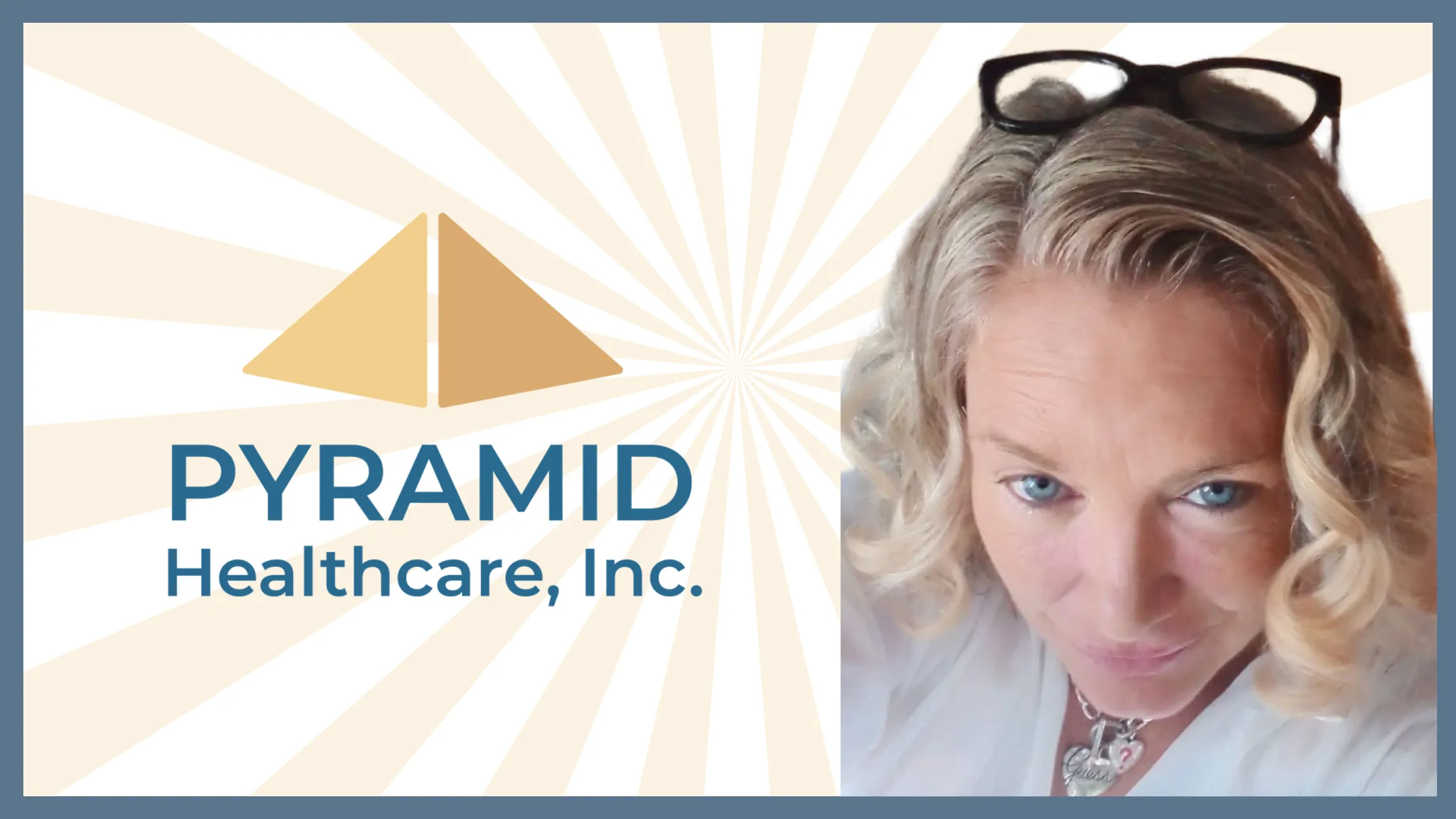
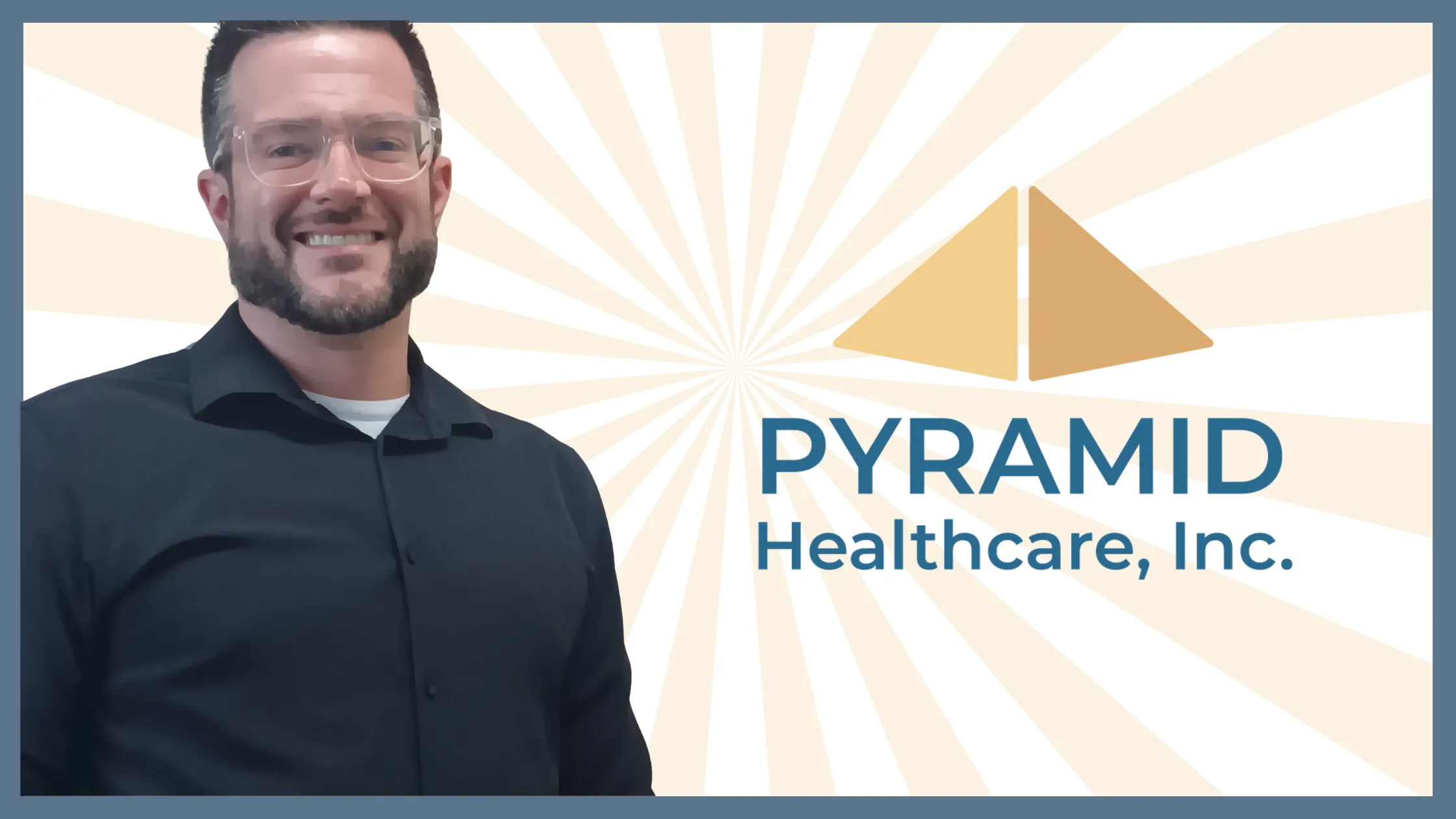
For National Recovery Month, Pyramid Healthcare is honored to share the voices of staff members who are living proof that recovery is possible. In this interview, Dina Shelly, a Certified Recovery Specialist at Pyramid, reflects on her journey through loss, anger and alcoholism to finding peace, purpose and a career helping others heal.
Tell us about your background and what led you to choose recovery.
Honestly, it started from birth. I grew up in an abusive family and always felt like the outcast. I was angry—at my family, at the universe. I had my first drink when I was really young, a Rolling Rock beer from my grandfather.
As I got older, alcohol became the only thing that made me feel normal. Drinking turned into daily use. Later, at 28, I found out that the man I thought was my father wasn’t actually my father, and that I have a whole other family I never knew. That news made me even angrier and my drinking escalated.
I lived in New Hope, a party town where drinking every day was normal. I went through abusive relationships, three DUIs and was drinking alone. I’d crack my head and not even feel it. I was using cocaine and meth just to keep drinking. At that point, it wasn’t fun anymore—I was just drowning everything in anger.
What was the turning point for you?
I’ll never forget the day I entered treatment at Livingrin. I used to drink every day at 5 p.m.—it was like clockwork. When I walked through the double doors of detox, it was exactly 5 on the dot. I got chills because I knew it meant something.
In treatment, a reverend asked me to write down who I was mad at. I asked, “Can I be mad at God?” He said yes. So I wrote it all down, ripped it up and let it go. From that day—November 9, 2021—I stopped carrying that anger. That was huge for my recovery.
I also had signs along the way. After my daughter, Devon, passed away as a newborn, I started seeing yellow butterflies everywhere. On Thanksgiving Day in 2021, while in treatment, a yellow butterfly landed in my hand for six minutes in the freezing cold. That was when I knew—it was time to be right.
How did the loss of your daughter affect you?
That fueled my drinking for years. I used my daughter’s death as an excuse—I’d play with her ashes when I was drunk, reliving it over and over. My family never confronted me because they felt I had a reason to be this way.
But holding onto that pain kept me sick. Letting go of the anger allowed me to finally heal. And in a strange twist, the man who abused me growing up—who I later learned wasn’t even my father—ended up being my biggest supporter in recovery. He collected my sobriety coins and told me he wouldn’t die until he saw me one year sober. And he kept his word.
What led you to become a Certified Recovery Specialist?
A friend told me about the CRS program, so I applied. Out of about 200 candidates, only 17 of us were chosen. The government even paid me to go to school. I had perfect attendance and learned so much—not just about helping people, but about boundaries, ethics and motivational interviewing.
I did my internship at ProAct and eventually landed at Pyramid. Honestly, I didn’t choose Pyramid—Pyramid chose me.
What do you find most rewarding about your work?
It’s the connection with people. I love talking to clients and being real with them. I don’t sugarcoat anything. When they ask me for advice, I tell them straight: it’s 50/50. You’re either going to live or you’re going to die. Nobody can make that choice for you—you have to want it.
One of the best feelings is when former clients reach out. I had someone text me months after leaving just to say thank you and let me know they were thriving. That makes everything worth it.
What advice would you give to someone just starting recovery?
You have to love yourself. That’s the bottom line. You owe it to yourself to be the best person you can be, and you’re not going to get there using substances. Nobody else can make that choice for you.
What’s something people might not know about you?
I secretly love digging in the dirt with my bare hands. I steal little pieces of plants everywhere I go and replant them. Watching them grow brings me so much joy—it’s like stress relief. My nail tech hates me for it, but I can’t stop.
I also love amusement parks. I’ll run ahead of kids just to get to the rides first and I don’t even feel bad about it! And I’m a big ocean bottom-fisher. Those things make me happy.
What do you do outside of Pyramid?
I work weddings on the weekends as a banquet server. Yes, there’s alcohol, but here’s the thing: if my family invites me to a BBQ where people are drinking, I won’t go. But if I’m getting paid $300 a shift, you can drink whatever you want—I’m just there to serve and collect my paycheck.
It’s kind of ironic. During the week, I work in treatment telling people not to drink. On the weekends, I watch people get wasted. But it balances out my life, and it helps me pay my bills.
Looking back, what do you think has made the biggest difference in your recovery?
Letting go of anger. If I had held onto it, I’d still be drinking. But now I know my purpose—I’m here to help people. If I can change even one life, it’s all worth it.
For National Recovery Month, Pyramid Healthcare is honored to share the voices of staff members who are living proof that recovery is possible. In this interview, Dina Shelly, a Certified Recovery Specialist at Pyramid, reflects on her journey through loss, anger and alcoholism to finding peace, purpose and a career helping others heal.
Tell us about your background and what led you to choose recovery.
Honestly, it started from birth. I grew up in an abusive family and always felt like the outcast. I was angry—at my family, at the universe. I had my first drink when I was really young, a Rolling Rock beer from my grandfather.
As I got older, alcohol became the only thing that made me feel normal. Drinking turned into daily use. Later, at 28, I found out that the man I thought was my father wasn’t actually my father, and that I have a whole other family I never knew. That news made me even angrier and my drinking escalated.
I lived in New Hope, a party town where drinking every day was normal. I went through abusive relationships, three DUIs and was drinking alone. I’d crack my head and not even feel it. I was using cocaine and meth just to keep drinking. At that point, it wasn’t fun anymore—I was just drowning everything in anger.
What was the turning point for you?
I’ll never forget the day I entered treatment at Livingrin. I used to drink every day at 5 p.m.—it was like clockwork. When I walked through the double doors of detox, it was exactly 5 on the dot. I got chills because I knew it meant something.
In treatment, a reverend asked me to write down who I was mad at. I asked, “Can I be mad at God?” He said yes. So I wrote it all down, ripped it up and let it go. From that day—November 9, 2021—I stopped carrying that anger. That was huge for my recovery.
I also had signs along the way. After my daughter, Devon, passed away as a newborn, I started seeing yellow butterflies everywhere. On Thanksgiving Day in 2021, while in treatment, a yellow butterfly landed in my hand for six minutes in the freezing cold. That was when I knew—it was time to be right.
How did the loss of your daughter affect you?
That fueled my drinking for years. I used my daughter’s death as an excuse—I’d play with her ashes when I was drunk, reliving it over and over. My family never confronted me because they felt I had a reason to be this way.
But holding onto that pain kept me sick. Letting go of the anger allowed me to finally heal. And in a strange twist, the man who abused me growing up—who I later learned wasn’t even my father—ended up being my biggest supporter in recovery. He collected my sobriety coins and told me he wouldn’t die until he saw me one year sober. And he kept his word.
What led you to become a Certified Recovery Specialist?
A friend told me about the CRS program, so I applied. Out of about 200 candidates, only 17 of us were chosen. The government even paid me to go to school. I had perfect attendance and learned so much—not just about helping people, but about boundaries, ethics and motivational interviewing.
I did my internship at ProAct and eventually landed at Pyramid. Honestly, I didn’t choose Pyramid—Pyramid chose me.
What do you find most rewarding about your work?
It’s the connection with people. I love talking to clients and being real with them. I don’t sugarcoat anything. When they ask me for advice, I tell them straight: it’s 50/50. You’re either going to live or you’re going to die. Nobody can make that choice for you—you have to want it.
One of the best feelings is when former clients reach out. I had someone text me months after leaving just to say thank you and let me know they were thriving. That makes everything worth it.
What advice would you give to someone just starting recovery?
You have to love yourself. That’s the bottom line. You owe it to yourself to be the best person you can be, and you’re not going to get there using substances. Nobody else can make that choice for you.
What’s something people might not know about you?
I secretly love digging in the dirt with my bare hands. I steal little pieces of plants everywhere I go and replant them. Watching them grow brings me so much joy—it’s like stress relief. My nail tech hates me for it, but I can’t stop.
I also love amusement parks. I’ll run ahead of kids just to get to the rides first and I don’t even feel bad about it! And I’m a big ocean bottom-fisher. Those things make me happy.
What do you do outside of Pyramid?
I work weddings on the weekends as a banquet server. Yes, there’s alcohol, but here’s the thing: if my family invites me to a BBQ where people are drinking, I won’t go. But if I’m getting paid $300 a shift, you can drink whatever you want—I’m just there to serve and collect my paycheck.
It’s kind of ironic. During the week, I work in treatment telling people not to drink. On the weekends, I watch people get wasted. But it balances out my life, and it helps me pay my bills.
Looking back, what do you think has made the biggest difference in your recovery?
Letting go of anger. If I had held onto it, I’d still be drinking. But now I know my purpose—I’m here to help people. If I can change even one life, it’s all worth it.