The New Wave of “Natural” and Synthetic Drug Abuse

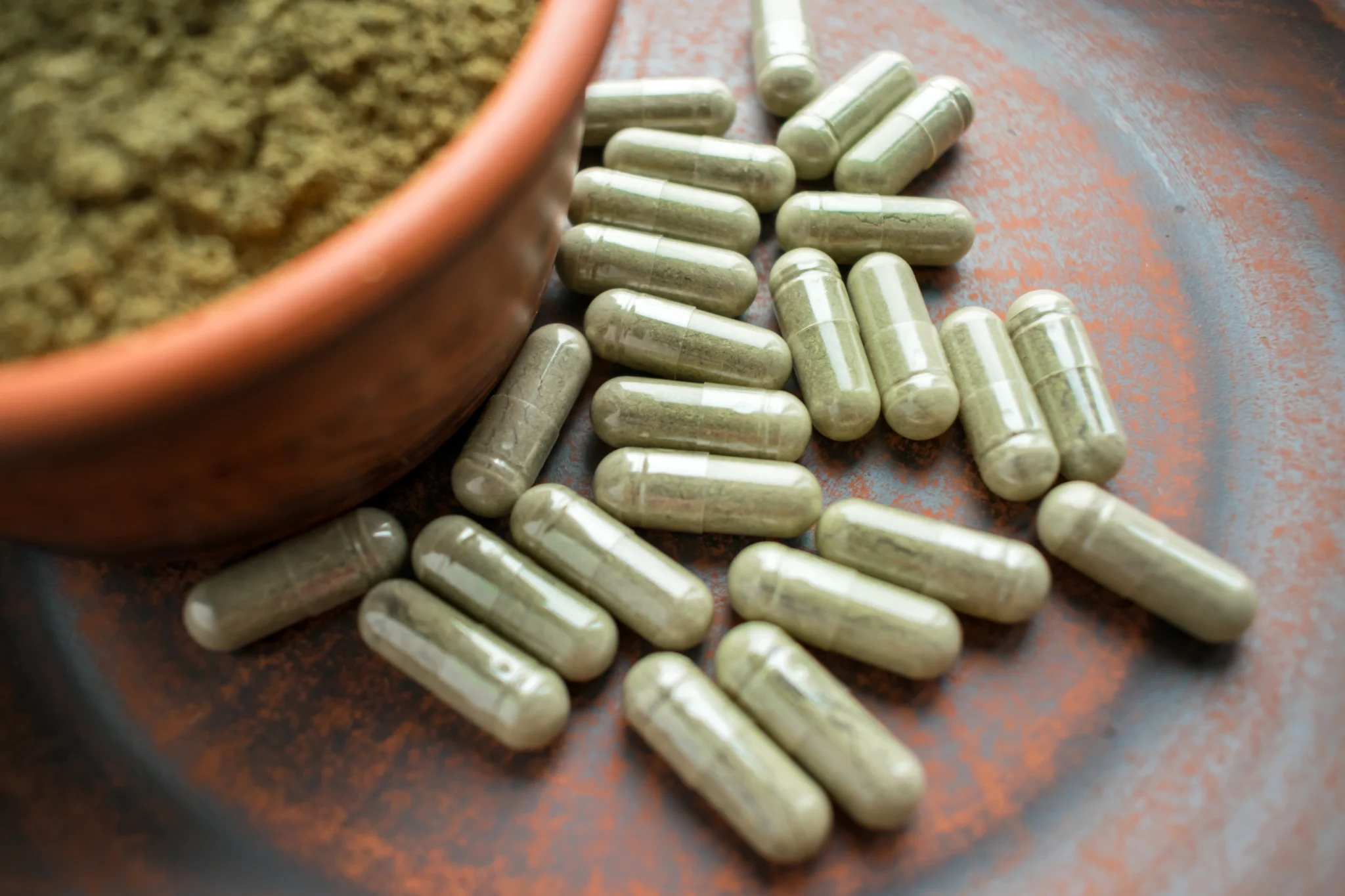
Across the country, addiction professionals are seeing a troubling shift: more people are becoming dependent on synthetic and herbal drugs marketed as “safe,” “natural” or “legal.” Products like kratom, xylazine, delta-8 THC and kava are often sold in wellness stores or online under the promise of relief, calm or energy — but behind the packaging lies a growing public-health concern.
At Pyramid Healthcare, clinicians have witnessed an increase in clients entering detox and residential programs after using these substances. Many began experimenting because they believed “legal” meant “harmless.” In reality, the lack of regulation and misleading marketing have created a new landscape of hidden addiction.
What’s Fueling the Rise in New Drug Use
Several forces have converged to drive this new wave of synthetic and plant-based drug use:
- Easy Access and Loopholes in Regulation
Substances like delta-8 THC and kratom exist in a legal gray area. Delta-8 is a hemp-derived cannabinoid that produces psychoactive effects similar to marijuana but remains largely unregulated. Kratom, a Southeast Asian plant, binds to opioid receptors yet can be purchased at gas stations and online. Without consistent regulation, products can vary widely in strength, purity and safety. - The Search for “Safer” Alternatives
Many individuals turn to herbal or synthetic substances to manage stress, anxiety or chronic pain — or to avoid the stigma and penalties associated with traditional drugs. Unfortunately, these “alternatives” can lead to dependence just as quickly, sometimes with even greater unpredictability. - Online Misinformation and Viral Trends
Social media has played a major role in promoting risky behaviors. On platforms like TikTok and Reddit, users share personal “wellness hacks” or recovery shortcuts that involve unregulated substances.
- Kratom is often described online as a natural painkiller or anxiety remedy.
- Delta-8 is marketed as a “clear-headed” form of THC.
- Xylazine, nicknamed “tranq,” is being mixed with opioids in street supplies despite its use as a veterinary sedative.
The problem? These online claims rarely include the full picture — addiction, health risks and withdrawal are rarely discussed until it’s too late.
When “Legal” Doesn’t Mean Safe
Many of today’s emerging substances blur the line between medicine, supplement and recreational drug. People often assume that because something can be purchased legally, it carries minimal risk. Yet “legal” does not mean “safe.”
For example:
- Kratom has been linked to dependence, withdrawal and more than 1,800 overdose deaths in recent years, often in combination with opioids.
- Delta-8 THC products have been found to contain synthetic byproducts and heavy metals due to poor manufacturing oversight.
- Xylazine causes extreme sedation and skin ulcers and does not respond to Narcan during overdose, making it particularly dangerous.
The illusion of safety surrounding these substances leads many to polysubstance use — mixing different “legal” drugs or supplements without understanding their combined effects. People may combine kratom with benzodiazepines to enhance calm, or mix delta-8 with energy drinks or alcohol to balance energy and sedation. These interactions can amplify toxicity, increase heart-rate irregularities and heighten the risk of overdose.
The Myth of “Natural” Substances
The phrase “plant-based” or “herbal” has become synonymous with wellness, but many natural compounds can be just as addictive or harmful as synthetic ones.
- Kava, often marketed as an anti-anxiety drink, can cause liver toxicity with long-term use.
- Kratom, promoted as a natural stimulant, acts on the same receptors as opioids.
- Psychedelic microdosing trends have normalized experimentation with psilocybin and LSD, sometimes worsening anxiety or triggering psychosis.
The FDA has repeatedly warned that herbal or “botanical” does not mean safe for consumption. Without proper testing, consumers cannot know what’s really in these products — or how they might interact with prescription medications or underlying health conditions.
Why More People Are Entering Treatment for Emerging Substances
Detox centers across the country, including Pyramid Healthcare, are reporting a sharp increase in clients struggling with addiction to kratom, delta-8 and other synthetic or plant-derived substances. In many cases, individuals began using these drugs believing they were managing their health naturally. Over time, tolerance built up, withdrawal set in and dependence took hold.
Medical detox and professional treatment are essential because withdrawal from these substances can be unpredictable. Symptoms may include anxiety, depression, insomnia, nausea and powerful cravings. Since many users combine multiple “legal” drugs, detox must be medically supervised to manage overlapping withdrawal effects safely.
Clinicians at Pyramid Healthcare emphasize that recovery from herbal and synthetic drug dependence often involves both medical stabilization and therapeutic support, addressing not only the physical side of addiction but also the emotional roots of self-medication and misinformation.
Rebuilding Awareness and Safety
The growing popularity of kratom, delta-8, xylazine and similar substances underscores a vital truth: public education has not kept pace with drug innovation. As new products appear faster than they can be regulated, community awareness and prevention efforts are critical.
At Pyramid Healthcare, our team is committed to helping individuals and families understand the real risks behind these “legal” substances and to providing evidence-based treatment that supports lasting recovery.
Addiction can take many forms — whether from prescription opioids, unregulated plant extracts or synthetic chemicals. What matters most is recognizing when use has crossed the line into dependence and knowing that help is available.
Recovery begins with awareness, compassion and a willingness to take that first step toward change.
Across the country, addiction professionals are seeing a troubling shift: more people are becoming dependent on synthetic and herbal drugs marketed as “safe,” “natural” or “legal.” Products like kratom, xylazine, delta-8 THC and kava are often sold in wellness stores or online under the promise of relief, calm or energy — but behind the packaging lies a growing public-health concern.
At Pyramid Healthcare, clinicians have witnessed an increase in clients entering detox and residential programs after using these substances. Many began experimenting because they believed “legal” meant “harmless.” In reality, the lack of regulation and misleading marketing have created a new landscape of hidden addiction.
What’s Fueling the Rise in New Drug Use
Several forces have converged to drive this new wave of synthetic and plant-based drug use:
- Easy Access and Loopholes in Regulation
Substances like delta-8 THC and kratom exist in a legal gray area. Delta-8 is a hemp-derived cannabinoid that produces psychoactive effects similar to marijuana but remains largely unregulated. Kratom, a Southeast Asian plant, binds to opioid receptors yet can be purchased at gas stations and online. Without consistent regulation, products can vary widely in strength, purity and safety. - The Search for “Safer” Alternatives
Many individuals turn to herbal or synthetic substances to manage stress, anxiety or chronic pain — or to avoid the stigma and penalties associated with traditional drugs. Unfortunately, these “alternatives” can lead to dependence just as quickly, sometimes with even greater unpredictability. - Online Misinformation and Viral Trends
Social media has played a major role in promoting risky behaviors. On platforms like TikTok and Reddit, users share personal “wellness hacks” or recovery shortcuts that involve unregulated substances.
- Kratom is often described online as a natural painkiller or anxiety remedy.
- Delta-8 is marketed as a “clear-headed” form of THC.
- Xylazine, nicknamed “tranq,” is being mixed with opioids in street supplies despite its use as a veterinary sedative.
The problem? These online claims rarely include the full picture — addiction, health risks and withdrawal are rarely discussed until it’s too late.
When “Legal” Doesn’t Mean Safe
Many of today’s emerging substances blur the line between medicine, supplement and recreational drug. People often assume that because something can be purchased legally, it carries minimal risk. Yet “legal” does not mean “safe.”
For example:
- Kratom has been linked to dependence, withdrawal and more than 1,800 overdose deaths in recent years, often in combination with opioids.
- Delta-8 THC products have been found to contain synthetic byproducts and heavy metals due to poor manufacturing oversight.
- Xylazine causes extreme sedation and skin ulcers and does not respond to Narcan during overdose, making it particularly dangerous.
The illusion of safety surrounding these substances leads many to polysubstance use — mixing different “legal” drugs or supplements without understanding their combined effects. People may combine kratom with benzodiazepines to enhance calm, or mix delta-8 with energy drinks or alcohol to balance energy and sedation. These interactions can amplify toxicity, increase heart-rate irregularities and heighten the risk of overdose.
The Myth of “Natural” Substances
The phrase “plant-based” or “herbal” has become synonymous with wellness, but many natural compounds can be just as addictive or harmful as synthetic ones.
- Kava, often marketed as an anti-anxiety drink, can cause liver toxicity with long-term use.
- Kratom, promoted as a natural stimulant, acts on the same receptors as opioids.
- Psychedelic microdosing trends have normalized experimentation with psilocybin and LSD, sometimes worsening anxiety or triggering psychosis.
The FDA has repeatedly warned that herbal or “botanical” does not mean safe for consumption. Without proper testing, consumers cannot know what’s really in these products — or how they might interact with prescription medications or underlying health conditions.
Why More People Are Entering Treatment for Emerging Substances
Detox centers across the country, including Pyramid Healthcare, are reporting a sharp increase in clients struggling with addiction to kratom, delta-8 and other synthetic or plant-derived substances. In many cases, individuals began using these drugs believing they were managing their health naturally. Over time, tolerance built up, withdrawal set in and dependence took hold.
Medical detox and professional treatment are essential because withdrawal from these substances can be unpredictable. Symptoms may include anxiety, depression, insomnia, nausea and powerful cravings. Since many users combine multiple “legal” drugs, detox must be medically supervised to manage overlapping withdrawal effects safely.
Clinicians at Pyramid Healthcare emphasize that recovery from herbal and synthetic drug dependence often involves both medical stabilization and therapeutic support, addressing not only the physical side of addiction but also the emotional roots of self-medication and misinformation.
Rebuilding Awareness and Safety
The growing popularity of kratom, delta-8, xylazine and similar substances underscores a vital truth: public education has not kept pace with drug innovation. As new products appear faster than they can be regulated, community awareness and prevention efforts are critical.
At Pyramid Healthcare, our team is committed to helping individuals and families understand the real risks behind these “legal” substances and to providing evidence-based treatment that supports lasting recovery.
Addiction can take many forms — whether from prescription opioids, unregulated plant extracts or synthetic chemicals. What matters most is recognizing when use has crossed the line into dependence and knowing that help is available.
Recovery begins with awareness, compassion and a willingness to take that first step toward change.