Supporting Military Families During Times of Global Conflict
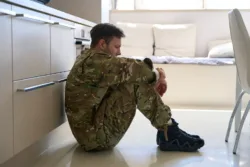
When global conflict fills the news cycle, military families often feel the impact in ways others may not immediately understand.
For many people, international conflict may feel distant or abstract. For military families and veterans, however, these moments can bring a wave of emotions that feel personal, immediate and sometimes overwhelming.
Families may worry about loved ones still serving. Veterans may find themselves remembering experiences from previous deployments. Even those who left the military years ago may notice emotional reactions they were not expecting.
At Project Resilience, Pyramid Healthcare’s dedicated service line for veterans, we recognize that military service affects the entire family system. During times of global conflict, understanding how these events can affect veterans and their families can help everyone navigate these challenges with greater compassion and support.
The Emotional Toll on Military Families
Military families are often known for their resilience. Years of adapting to deployments, relocations and unpredictable schedules can build incredible strength.
But resilience does not mean stress disappears.
When conflict dominates the news, spouses, children and parents of service members may experience heightened anxiety. Questions about safety, potential deployments or geopolitical tensions can weigh heavily on families.
Veterans themselves may also feel the emotional toll. News coverage, images from war zones or conversations about military operations can bring back memories of past deployments.
Some families notice changes such as:
- Increased anxiety or worry
- Difficulty sleeping
- Irritability or emotional withdrawal
- Feeling constantly on edge
- Avoiding news coverage or, in some cases, watching it obsessively
These responses are not unusual. They are natural reactions to stressful reminders of past experiences.
Triggers That Many People Do Not Recognize
One challenge for military families is that trauma triggers are not always obvious to people who have never served.
Triggers can be deeply connected to sensory memories, meaning certain sights, sounds or even smells can bring someone mentally back to a stressful or life-threatening situation.
For example, some veterans describe how a small everyday sound can feel startlingly similar to something experienced during combat.
A bee or insect flying quickly past the ear can produce a sharp buzzing sound that resembles the whizzing sound of a bullet passing by. Fireworks, helicopters, sudden loud noises or even certain smells like diesel fuel can sometimes trigger strong memories.
To someone who has never experienced combat, these moments might seem insignificant. But for a veteran, the body can react before the mind has time to process what is actually happening.
This response is tied to how trauma is stored in the brain. The nervous system learns to recognize danger quickly, which helped protect service members during combat. After returning home, those same protective responses can sometimes activate unexpectedly.
Understanding that these reactions are not intentional or exaggerated can help families respond with patience and empathy.
Living With Uncertainty
Another major stressor during times of global conflict is uncertainty.
Military families often understand that circumstances can change quickly. News updates may raise questions about deployments, escalating tensions or new military operations.
Even when a loved one is no longer serving, veterans may feel emotionally connected to current events. They may think about fellow service members who are still active or remember their own time in similar environments.
Constant exposure to news coverage can amplify these feelings. The 24-hour news cycle and social media can make it difficult to disconnect from stressful information.
Setting boundaries around news consumption can help protect mental health. Taking breaks from constant updates allows families to focus on daily life and maintain emotional balance.
Communication Strategies for Military Families
Strong communication can help families navigate stressful times together.
When conflict dominates the news, it is common for people to withdraw or avoid discussing their feelings. However, open conversations can help prevent misunderstandings and provide reassurance.
Some helpful strategies include:
Encourage Honest Conversations
Allow family members to talk openly about their feelings, fears or frustrations without judgment.
Be Mindful With Children
Children may hear news or conversations and become confused or frightened. Age-appropriate explanations can help them feel more secure.
Respect When Someone Needs Space
Veterans may need time to process emotions privately. Respecting that space while remaining available for support is important.
Focus on Everyday Connection
Simple routines such as sharing meals, going for walks or spending time together can provide grounding during uncertain periods.
These small moments can help families stay connected and emotionally stable.
How Families and Communities Can Support Veterans
Support from family members and communities can make a meaningful difference for veterans during times of global conflict.
Some ways to help include:
Practice Patience and Understanding
If a veteran seems more on edge or withdrawn, remember that news about conflict may be bringing up difficult memories.
Avoid Sudden Loud Surprises
Unexpected loud noises can sometimes trigger stress responses. Being mindful of environments where loud sounds may occur can help.
Encourage Healthy Coping Strategies
Activities such as exercise, time outdoors, creative outlets or connecting with other veterans can help reduce stress.
Limit Media Overload
Encouraging breaks from constant news coverage can help reduce anxiety and prevent emotional burnout.
Normalize Seeking Support
Professional support can be incredibly helpful for veterans navigating trauma reminders or increased stress.
Support Through Project Resilience
Project Resilience, Pyramid Healthcare’s veteran service line, was created to provide specialized support for veterans facing substance use and mental health challenges connected to their service.
Our program understands the realities of combat exposure, trauma triggers and the emotional impact that global events can sometimes reignite.
Through trauma-informed care, peer support and evidence-based treatment, Project Resilience helps veterans develop healthy coping strategies, strengthen resilience and reconnect with their families and communities.
Military families have always demonstrated extraordinary strength. With understanding, communication and the right support systems in place, families and veterans can navigate times of global uncertainty together.
When global conflict fills the news cycle, military families often feel the impact in ways others may not immediately understand.
For many people, international conflict may feel distant or abstract. For military families and veterans, however, these moments can bring a wave of emotions that feel personal, immediate and sometimes overwhelming.
Families may worry about loved ones still serving. Veterans may find themselves remembering experiences from previous deployments. Even those who left the military years ago may notice emotional reactions they were not expecting.
At Project Resilience, Pyramid Healthcare’s dedicated service line for veterans, we recognize that military service affects the entire family system. During times of global conflict, understanding how these events can affect veterans and their families can help everyone navigate these challenges with greater compassion and support.
The Emotional Toll on Military Families
Military families are often known for their resilience. Years of adapting to deployments, relocations and unpredictable schedules can build incredible strength.
But resilience does not mean stress disappears.
When conflict dominates the news, spouses, children and parents of service members may experience heightened anxiety. Questions about safety, potential deployments or geopolitical tensions can weigh heavily on families.
Veterans themselves may also feel the emotional toll. News coverage, images from war zones or conversations about military operations can bring back memories of past deployments.
Some families notice changes such as:
- Increased anxiety or worry
- Difficulty sleeping
- Irritability or emotional withdrawal
- Feeling constantly on edge
- Avoiding news coverage or, in some cases, watching it obsessively
These responses are not unusual. They are natural reactions to stressful reminders of past experiences.
Triggers That Many People Do Not Recognize
One challenge for military families is that trauma triggers are not always obvious to people who have never served.
Triggers can be deeply connected to sensory memories, meaning certain sights, sounds or even smells can bring someone mentally back to a stressful or life-threatening situation.
For example, some veterans describe how a small everyday sound can feel startlingly similar to something experienced during combat.
A bee or insect flying quickly past the ear can produce a sharp buzzing sound that resembles the whizzing sound of a bullet passing by. Fireworks, helicopters, sudden loud noises or even certain smells like diesel fuel can sometimes trigger strong memories.
To someone who has never experienced combat, these moments might seem insignificant. But for a veteran, the body can react before the mind has time to process what is actually happening.
This response is tied to how trauma is stored in the brain. The nervous system learns to recognize danger quickly, which helped protect service members during combat. After returning home, those same protective responses can sometimes activate unexpectedly.
Understanding that these reactions are not intentional or exaggerated can help families respond with patience and empathy.
Living With Uncertainty
Another major stressor during times of global conflict is uncertainty.
Military families often understand that circumstances can change quickly. News updates may raise questions about deployments, escalating tensions or new military operations.
Even when a loved one is no longer serving, veterans may feel emotionally connected to current events. They may think about fellow service members who are still active or remember their own time in similar environments.
Constant exposure to news coverage can amplify these feelings. The 24-hour news cycle and social media can make it difficult to disconnect from stressful information.
Setting boundaries around news consumption can help protect mental health. Taking breaks from constant updates allows families to focus on daily life and maintain emotional balance.
Communication Strategies for Military Families
Strong communication can help families navigate stressful times together.
When conflict dominates the news, it is common for people to withdraw or avoid discussing their feelings. However, open conversations can help prevent misunderstandings and provide reassurance.
Some helpful strategies include:
Encourage Honest Conversations
Allow family members to talk openly about their feelings, fears or frustrations without judgment.
Be Mindful With Children
Children may hear news or conversations and become confused or frightened. Age-appropriate explanations can help them feel more secure.
Respect When Someone Needs Space
Veterans may need time to process emotions privately. Respecting that space while remaining available for support is important.
Focus on Everyday Connection
Simple routines such as sharing meals, going for walks or spending time together can provide grounding during uncertain periods.
These small moments can help families stay connected and emotionally stable.
How Families and Communities Can Support Veterans
Support from family members and communities can make a meaningful difference for veterans during times of global conflict.
Some ways to help include:
Practice Patience and Understanding
If a veteran seems more on edge or withdrawn, remember that news about conflict may be bringing up difficult memories.
Avoid Sudden Loud Surprises
Unexpected loud noises can sometimes trigger stress responses. Being mindful of environments where loud sounds may occur can help.
Encourage Healthy Coping Strategies
Activities such as exercise, time outdoors, creative outlets or connecting with other veterans can help reduce stress.
Limit Media Overload
Encouraging breaks from constant news coverage can help reduce anxiety and prevent emotional burnout.
Normalize Seeking Support
Professional support can be incredibly helpful for veterans navigating trauma reminders or increased stress.
Support Through Project Resilience
Project Resilience, Pyramid Healthcare’s veteran service line, was created to provide specialized support for veterans facing substance use and mental health challenges connected to their service.
Our program understands the realities of combat exposure, trauma triggers and the emotional impact that global events can sometimes reignite.
Through trauma-informed care, peer support and evidence-based treatment, Project Resilience helps veterans develop healthy coping strategies, strengthen resilience and reconnect with their families and communities.
Military families have always demonstrated extraordinary strength. With understanding, communication and the right support systems in place, families and veterans can navigate times of global uncertainty together.
Related Posts



 Is Ketamine Therapy Addictive and How Does It Work?